
Every women’s retreat in France looks beautiful online. Golden light, long tables, linen everywhere. After a while they all blur together, and you’re left trying to figure out which one will actually feel good for a week.
I plan and host small-group trips to France, and I’ve also been a guest on a polished, beautifully run retreat where everyone was kind and I still felt like a visitor all week. That taught me that the right retreat has less to do with how it looks and more to do with how it fits you.
When I ask past guests what made them choose a trip, the same few things come up every time. How many people are going. Whether they’ll get a room to themselves. What they’ll end up paying for once they’re there. And whether they’ll be okay with a group of strangers. So I’ll start with those.
Already know you want to come with me?
1. Group size: how many women are going
Some women’s retreats take 14 guests or more. Larger groups can be a lot of fun. If you’re hoping for personal attention from the person who planned the trip, though, a smaller group is the way to get it.
Look for the maximum number of guests, and ask if it’s ever been exceeded.
My groups top out at 8. That’s small enough that I know how you take your coffee by day two, and you know everyone’s name by the first dinner.
2. A single room: whether you’ll share with a stranger
Lots of retreats are built around shared rooms, and many pair solo travelers with someone they haven’t met. Some charge a single supplement for a private room, and some don’t offer one at all.
If it’s not clearly explained, make sure you ask whether a private room is available, what it costs, and whether you’ll be assigned a roommate if you don’t book one.
On my trips you choose a shared or private room when you book, and the price for each is on the trip page. Nobody gets surprised with a roommate.
I also choose every house and hotel for how the shared spaces feel, because that’s where you’ll spend most of your time. I try to stay at or visit each one before I book it. When I can’t, I spend a year or more getting to know the owners first.
3. What’s really included
Inclusions vary a lot from one retreat to the next. Some include nearly every meal, some include a few, and both can be the right fit. What matters is knowing before you book, so you can compare the real cost and budget for the rest.
Ask for a list of exactly which meals are included, which activities and entry fees are covered, and what you should budget for on your own.
My trips include your room, breakfast every day, most lunches and dinners, and every planned activity and excursion. With me, travel insurance is required and isn’t included, so plan for that too.
4. What if you don’t know anyone?
This is the one most women are nervous about. You’re spending a week with people you’ve never met, and you can’t know ahead of time whether you’ll click.
Ask how the host welcomes the group, how big it is, and how the first day is set up.
Most of my guests come alone, and the first hour matters a lot to me. I’m at the door when you arrive, and the first day is slow on purpose.
“I’m pretty isolated, so a trip with almost all strangers… I was apprehensive. But instantly upon walking through the door being so warmly greeted, the atmosphere was set. It was friendly, relaxed, happy, bubbly. I felt at home instantly.” — Kitty
“I was scared to travel with strangers. I knew the minute I saw the welcoming smiles.” — Liz
5. Who is actually hosting
Some retreats are run by a company with a team. Some are run by one person who’s there the whole time. Both can be wonderful, but you should know which you’re booking.
Ask who plans the trip, who will be there every day, and who you’d call if something goes wrong.
On my trips, that’s me for all three. If you email me, I’m the one who answers, usually quickly.
“The swiftness in your email response and knowing I was talking to a real person.” — Lexy
Before this, I was an ER nurse for years, and that job trains you to see what someone needs before they ask. If dinner comes with red wine and you only drink white, the white is already there.
I know the places I take you well. One guest booked assuming I lived in France. I don’t. I’ve just spent a lot of time there.
6. How full the days are
Look at what a typical day includes and how much of it is open. Some women want every hour planned. Others want room to wander.
I plan one big thing and one great meal each day, and leave the rest open. If lunch is going well, we stay. That only works because I do a ridiculous amount of research before anyone arrives.
7. Whether you’ll feel like yourself
This one doesn’t show up on any itinerary, but it matters most. Some retreats are beautifully styled, with coordinated outfits and dinners made for photos. Some women love that. If you’d rather relax, you’ll want something different.
Look at the host’s photos and captions, and picture yourself there on day three.
On my trips you can come to breakfast in your pajamas. Nobody’s checking your outfit.
8. Whether the price matches what you’re getting
The most expensive thing a retreat can give you is attention. That’s where I put the money: a small group and a host who notices who’s cold, who needs a slow morning, and who misses her kids.
There are a few small surprises along the way. I won’t spoil them.
I could fit more women into each trip and lower the price. I don’t, on purpose. A smaller group means you get a real conversation at dinner, a guide who can answer your questions, and a host who notices what you need. The price is built around that.
Who my trips are right for
My trips feel like a home, not a hotel. There’s no front desk or concierge, just me and a small group of women in a house I’ve chosen with a lot of care. It’s personal, and that’s the point.
“You are an incredibly warm hostess who is welcoming people into your home away from home.” — Lexy
They’re a great fit if you like to laugh, explore and eat well, and you’re open to whatever the day brings. If you’d rather plan every detail yourself, or you want a full-service hotel experience, a different kind of trip will suit you better, and that’s completely fine.
Questions to ask before you book any women’s retreat
What’s the maximum group size?
Can I have my own room, and what does it cost?
Will I be paired with a roommate if I don’t book a single?
Exactly which meals are included?
Are activities, entry fees and transfers covered?
How does the first day work if I don’t know anyone?
Who will be there every day, and who do I call if something goes wrong?
How much free time is built into each day?
Any good host will be happy to walk you through these.
Common questions
Can I go on a women’s retreat in France alone?
Yes. Most of my guests come alone. By day three, nobody feels like a stranger.
What if I’m nervous about traveling with strangers?
Most guests are. I’m at the door when you arrive, groups are small, and the first day is slow on purpose.
Do I need to speak French?
No. I’ve been learning for years with mixed results. The French are generous with anyone who’s trying, and I’ll teach you the few words that matter.
How many women go on each trip?
No more than 8.
Is there a single supplement?
A private room costs more than a shared one, and both prices are listed on each trip page before you book.
Is a women’s retreat in France worth the money?
It’s worth it when the retreat fits you. If you want a small group, an unhurried pace and a host who pays attention, look for those things specifically. You’ll come home feeling more like yourself.
Which trip is yours
I call the women who love my trips casual snobs. We live in t-shirts and good sneakers, and we have very strong opinions about dinner. If that sounds like you, here’s where I’m going next.
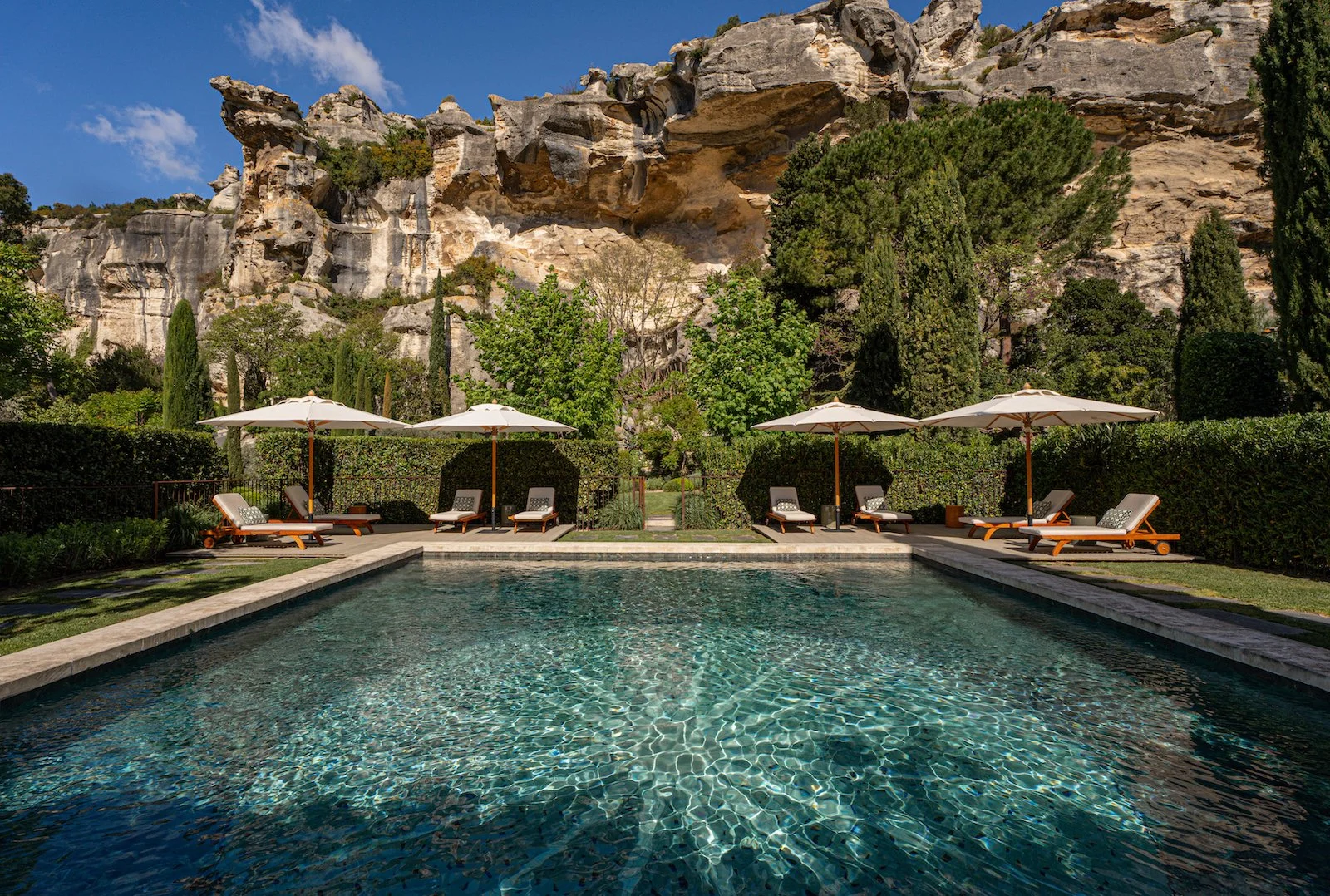
Les Baux-de-Provence, April 19 to 25, 2027. A private house for the week, Arles and the Roman ruins, and my favorite guide in Provence. Only 3 rooms left.
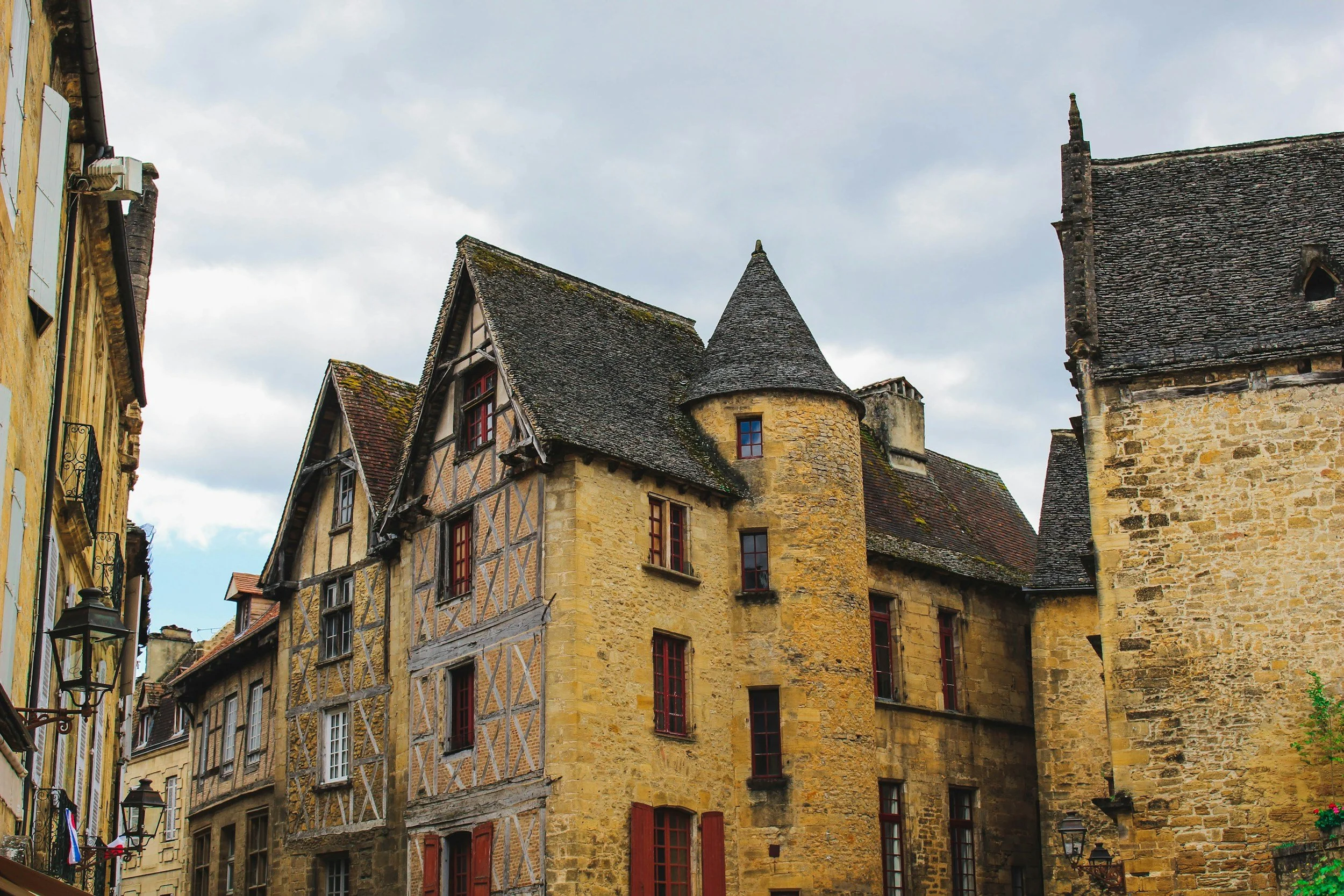
The Dordogne, October 9 to 15, 2027. A private house for the week, slow mornings in Sarlat, castles on every hill, and us discovering an unexplored corner of France.
