Normandy Beyond the Beaches: What Most Travelers Miss (and why it deserves a week)
- stephanie557
- Feb 1
- 3 min read

For many travelers, Normandy is a place you pass through. A day (or two at most) anchored around the D-Day beaches, a museum visit, maybe Mont-Saint-Michel if you’re ambitious. And while its history deserves reverence, Normandy is so much more than a chapter in a history book. It’s a region that reveals itself slowly, generously, and best over time.
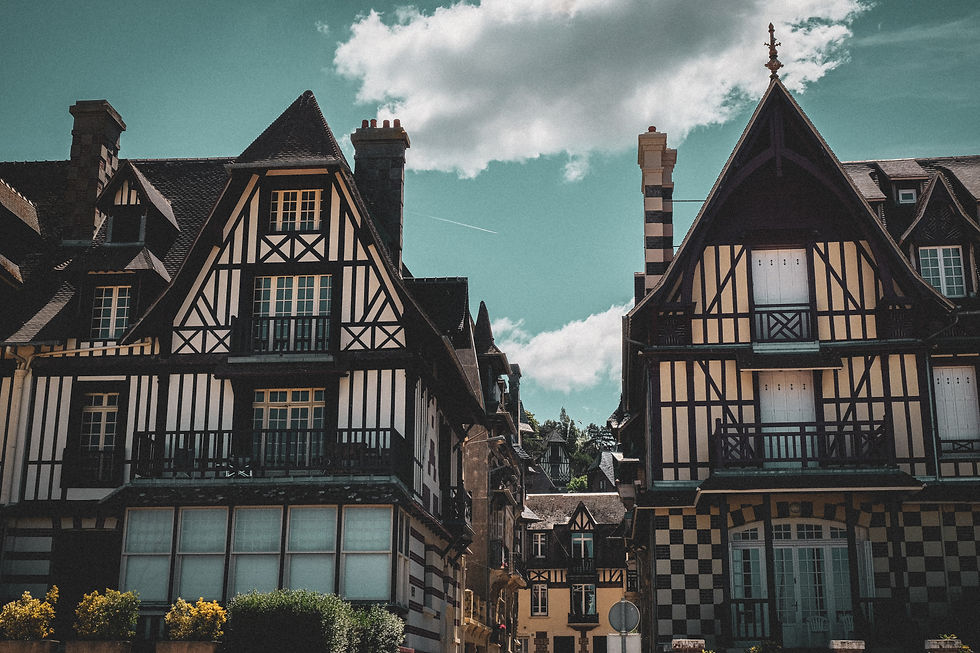
I fell in love with Normandy not because of a single landmark, but because of how it feels when you stop rushing. The quiet lanes lined with apple trees. The villages that seem untouched by time. The meals that linger longer than planned because no one is in a hurry to leave the table. Normandy is understated, deeply human, and endlessly rewarding if you give it the attention it deserves.
A Region Built for Slow Travel
Normandy isn’t flashy. It doesn’t announce itself the way Paris does, or seduce you instantly like Provence. Instead, it invites you to settle in. This is a place where mornings begin with fresh bread and butter so good it needs no embellishment, and afternoons unfold over countryside drives and conversations with locals who genuinely want to know where you’re from, and why you came.
It’s also a region that’s harder to get to, which is precisely why so many travelers overlook it. Normandy requires intention. You don’t stumble into it by accident. And once you’re there, you realize that effort was the point. The reward is a deeper, more authentic experience of France, one that feels lived-in rather than toured.

Beyond World War II: Normandy’s Everyday Magic
Yes, Normandy’s World War II history is significant and moving. But to define the region solely by that chapter is to miss its soul. Normandy is a land shaped by food, farming, and tradition. By cider orchards and dairy pastures. By generations of people who take pride in doing things well, and doing them slowly.
This is where Camembert was born. Where apples become cider, then Calvados. Where seafood arrives fresh and unadorned, and meals reflect the land more than trends. Food in Normandy isn’t about spectacle; it’s about comfort, quality, and connection. And it’s one of the most honest ways to understand the region.
The Kind of Place That Welcomes You In
One of the things that keeps drawing me back to Normandy is the people. They are warm without being performative, generous without expectation, and deeply rooted in place. There’s a quiet pride here, a sense of “this is who we are” that doesn’t need translation.
During our Normandy retreat, guests won’t just experience the region as visitors. They’ll be welcomed into it by the women who live there, our host Nathalie, our chef Sophie, and other local partners who bring Normandy to life through food, stories, and hospitality. These relationships are what transform a trip into something meaningful.

Why Normandy Deserves a Week
Normandy is not a destination to check off a list. It’s one to savor. A week allows space for contrast: countryside mornings and village afternoons, history balanced with everyday life, planned experiences alongside quiet moments of rest. It’s enough time to stop orienting yourself, and start belonging.
That’s why I chose Normandy as the first Maison d’Amies retreat of 2026. Not because it’s trendy or easy, but because it rewards those who slow down. I’ll handle the logistics, guide the journey, and make sure getting there feels seamless, so all you need to do is arrive open and curious.
My hope is that guests leave Normandy not just informed, but changed. With a deeper appreciation for this region, for slow travel, and for the kind of connection that only happens when you give a place (and yourself) the time it deserves.
Comments